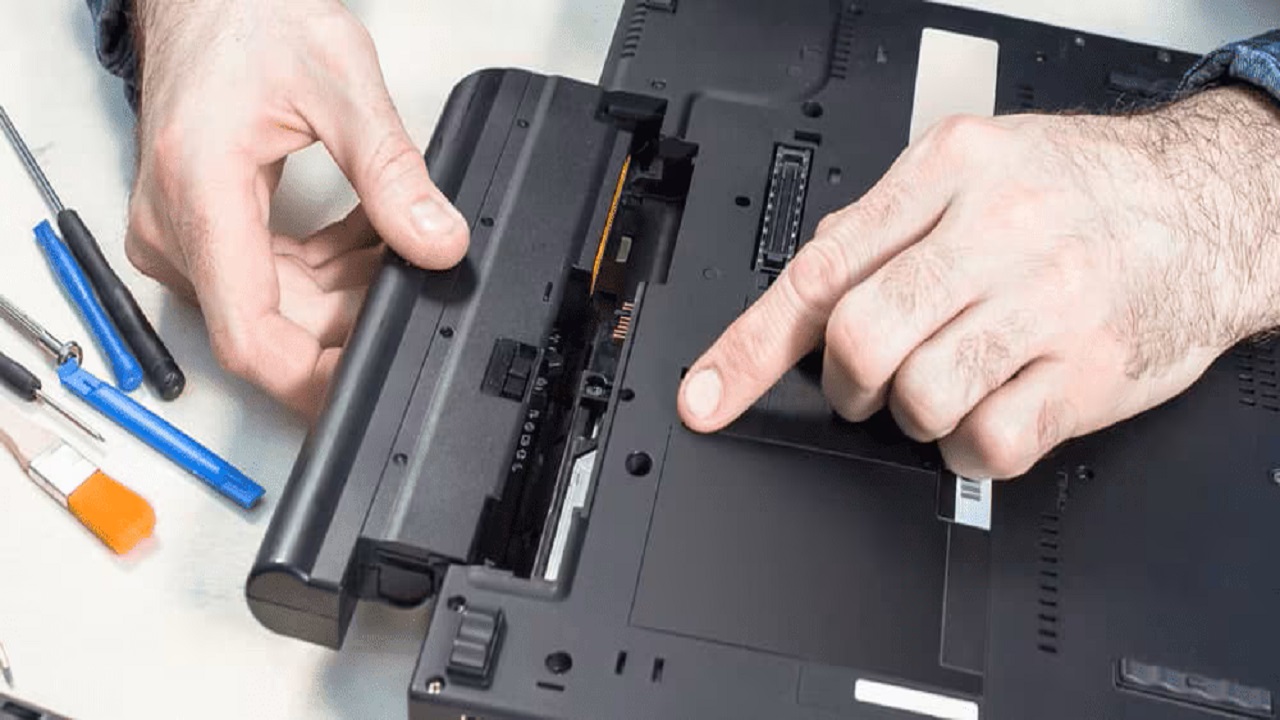
Battery calibration of the laptop is a very simple, though frequently neglected, maintenance procedure that the user of an HP laptop should undertake. With time, the internal sensor of the battery may not be precise, and the battery percentage shown in the device will not be accurate. This can cause unforeseen shutdowns, wrong calculations of the remaining time, or problems with charging. The process of calibration of a Genuine HP Battery assists the system in measuring battery capacity precisely and enhancing general performance awareness.
The meaning of Battery Calibration
Calibration of batteries does not add any physical capacity to a battery. Rather, it reinstates the contact between the battery and the operating system of the laptop. HP laptops work on the assumption that they need sensors built in to determine the amount of charge left. These estimates can drift as batteries get older or are charged in an irregular manner. Calibration enables the system to re-educate the battery on the actual minimum and maximum charge levels, and therefore achieve more accurate readings.
In Which Case Calibration Is Required
When there is an irregular battery performance of an HP laptop, then calibration is required. The typical symptoms include the battery percentage jumping, the laptop turning off before it reaches zero percent, or the charging indicator being stagnant at some point over a certain period of time. Inaccurate predictions of remaining time may also be detected by the users. In these situations, calibration may be used to rectify such errors, giving reliable battery reporting once more.
Calibration of the HP Laptop
The laptop must be prepared prior to the commencement of the calibration process. The charge of the battery should be up to a hundred percent. When the laptop is fully charged, it is advisable that one should leave it plugged in for one more hour so that the battery is fully saturated. Any system of saving power that automatically sleeps or hibernates the laptop should be turned off temporarily so that the battery can drain completely at a later point in the process.
Releasing the Battery to the Fullest
After the battery has been charged, the power adapter is to be disconnected. The laptop is then allowed to operate normally up to the point that the battery runs out and the system goes down automatically. This will be an important step that will enable the system to identify the actual empty state of the battery. At this stage, the charger or restarting of the laptop should not be performed too early.
Allowing the Battery to Rest
The laptop should not be turned on after the battery depletes, as it may cause the laptop to shut down. It is a rest time during which the battery voltage stabilizes, and the internal sensor records the zero-charge level appropriately. This step can be omitted, but it might lower the calibration effectiveness.
Recharging to Full Capacity
After the rest time, the power adapter must be reconnected, and the laptop should be charged to a hundred percent again without failure. Ideally, one should leave the laptop switched off or in sleep mode throughout the charge so that the recharge is smooth and complete. When the battery is completely charged, the calibration of the battery is done, and the normal power setting is restored.
Frequency of Calibration of the Battery
Calibration of batteries is not to be done on a regular basis. Calibration of the battery should be done after every two to three months with the majority of HP laptops. Excess calibration puts unwarranted pressure on the battery, particularly when it is already deteriorating. Calibration becomes most applicable in case there are some observable inaccuracies in battery readings.
Advantages of ensuring Battery Calibration
The charge percentage readings and remaining time of use estimates are more accurate when a properly calibrated HP laptop battery is used. This will enable them to manage their work better and minimize the chances of an unexpected closure. Although calibration does not lengthen the physical life of a battery, it enhances the power efficiency of a user and also helps them know when to replace a battery.
Conclusion
One of the most useful maintenance procedures of an HP laptop that is not complicated to perform is calibration of its battery, which makes the system more reliable. Users can prevent faulty battery display and unexpected power outages by letting the operating system gain a proper insight into the charge limits of the battery. Battery calibration will help make the laptop experience smooth and predictable when done properly and occasionally.