How Does LSIG Protection Improve Safety in Generators and Motor Feeders
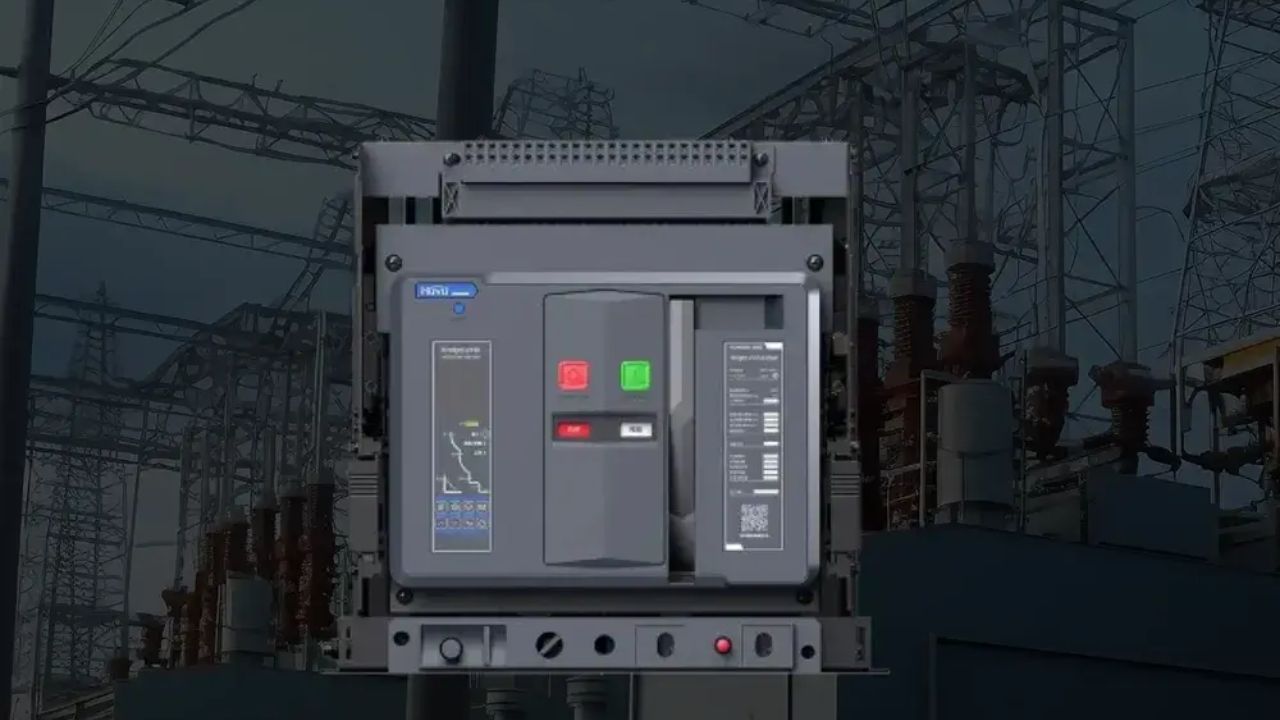
The safety and reliability of electrical systems are important in contemporary industrial and commercial practice. LSIG protection is one of the other protective mechanisms that are employed to prevent damage to the generators and motor feeders due to overloads, short circuits, and ground faults. LSIG Long-time, Short-time, Instantaneous, and Ground fault protection. The lsi breaker meaning is a layered electrical protection system that provides selectivity and fast fault response in order to provide system integrity and operational continuity.
Understanding LSIG Protection
The basis of the modern Air Circuit Breaker (ACB) functionality is its LSIG protection. Every single element of LSIG has a role in fault detection and interruption. Long (L) protection protects sustained overload conditions that might slowly wear out equipment. Short-time (S) protection is sensitive to moderate short-circuit currents, and downstream protective devices have time to operate before the main breaker is unnecessarily tripped. Instantaneous (I) protection is a type of protection that is activated instantly in response to short circuits of high magnitude and protects the system against disastrous system failures. Lastly, Ground fault (G) protects against leakage currents to ground, which helps in preventing electric shock and fire hazards to personnel and equipment. The combined effect of these layers is the ability to monitor a variety of current conditions and respond quickly to any abnormalities.
Protecting Generators with LSIG
Generators are especially prone to failure, which may affect equipment and system stability. The conditions of overload, reversing the flow of power, or abrupt short-circuiting would destroy the prime mover of the generator and its related electrical apparatus. LSIG protection controls these risks in a well-coordinated manner. Long-time protection averts damage from constant high currents that can arise during heavy loads or long-period stress in operation. Unforeseen faults trigger short-time and instantaneous protections and interrupt hazardous currents before they spread throughout the system. Ground fault protection further provides a safety measure, which detects failures or leakage currents of insulation that may cause fire hazards or operational interruptions.
Additionally, LSIG protection will improve the stability of generators because of its selectivity. It is used in conjunction with downstream protective devices that coordinate to isolate only the affected part of the system, keeping the generator running to provide power to healthy circuits. This is particularly important in industrial plants, data centers, or power generation plants where operation is to be continuous.
Enhancing Safety in Motor Feeders
One of the most prevalent pieces of equipment used in association with the electrical distribution system is associated with motors, which are also very sensitive to phase and current imbalances. LSIG protection protects motors against overheating, mechanical damage, and failure of operation. Long-time protection guards against overloads that are permanent as a result of heavy mechanical loads or frequent starting. Short-time protection is used to deal with faults along the feeder lines, and instantaneous protection is used to ensure that high-magnitude short circuits occurring suddenly do not damage windings or other equipment to which they are connected. Ground fault protection prevents leakage current, the problem of which is especially hazardous in wet or industrial conditions, to the motor and to individuals.
Besides direct protection, LSIG settings can accurately be adjusted according to the rated capacity of the motor and its profile of operation. This personalization will make sure that the protection system responds to the real operating conditions in the world in the right way without unnecessary interruptions. LSIG protection helps to increase the life of equipment used in industry, reduce maintenance expenses, and enable safer workplaces.
Coordinated System Reliability
Among the major benefits of LSIG protection is that it ensures stability of the system, generally, as well as addressing faults. In both the generators and the motor feeders, the LSIG functions are synchronized with other protective equipment, like downstream breakers and fuses, to allow selective tripping. Such selectivity is critical in avoiding complete shutdown of systems and reducing the amount of time wasted in case of fault conditions. Furthermore, LSIG protection is compatible with more complex applications, such as Zone Selective Interlocking (ZSI), which further restricts the fault response of the system to isolate only the faulty zone.
Conclusion
LSIG protection is a service that offers an all-around safety measure to generators and motor feeders. To achieve the combination of long-time, short-time, instantaneous, and ground fault protection, it guarantees that electrical systems will be reliable during normal and abnormal operation. The coordinated fault interruption and overload protection are offered to generators, and the overheat, electrical fault, and mechanical damage protection are provided to motor feeders. LSIG protection improves system safety, reduces downtime, and increases the life of the essential equipment through accurate configuration and selective coordination, and is an inevitable part of modern electrical infrastructure.