Can a Tenon Fingerprint Smart Lock Replace All Traditional Keys?
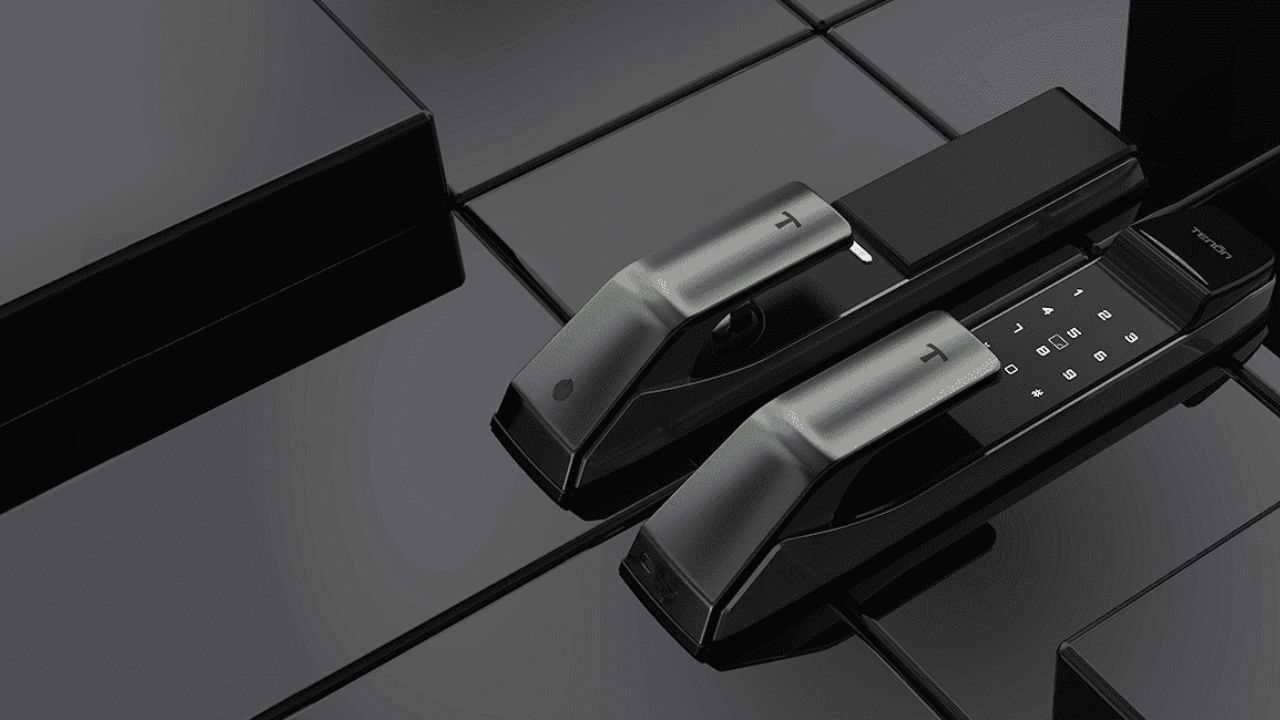
The emergence of biometric technology has changed the way households and businesses approach the issue of security. The fingerprint smart lock is one of the greatest innovations, as it is a solution to the inconvenience and vulnerability of the traditional key. One of the most successful manufacturers of smart locks and smart door systems, Tenon, has been leading this change. The number of homeowners now posing this question: Can a Tenon fingerprint smart lock really substitute what they are accustomed to using, all the keys they use? A look at the nature and functionality of these locks would show how much this vision has been realized.
How Fingerprint Technology Enhances Everyday Access
The fingerprint smart locks of Tenon rely on the principle of biometric recognition, which is one of the more reliable and easy-to-use security measures. One does not have to look for a key or fear losing it; the user just has to place a finger on the reader, and the lock will open in a couple of seconds. This is very convenient for busy families, for people living in apartments, and also for those owning commercial properties who would like to have easy access without using keys.
Another technology with personalized security is fingerprint technology. Every fingerprint is original, and it is very difficult to duplicate it illegally. In order to be accurate and fast, Tenon provides high-resolution sensors that detect even partial fingerprints. This change of metal keys to biometric data will increase the reliability and consistency of daily access.
The Role of Multi-Access Options in Replacing Keys
Though the fundamental significance of a fingerprint smart lock is the biometric capability, the solutions provided by Tenon have other modes of access that can be used to completely switch to traditional keys. Access to passwords, RFID cards, application-based control, and, in certain instances, guest temporary codes might be available to users depending on the model. The options enable the homeowners to be flexible without the use of physical keys.
Multiple access modes also help in giving assurance in the event of unforeseen circumstances. Indicatively, when the finger of a user is hurt or moist, he or she can unlock the door with a passcode or card. This flexibility allows considering a replacement of keys as more feasible, in particular when it comes to large families where the needs of the members are different.
Security Advantages Over Key-Based Systems
Vulnerability of keys is one of the primary factors that makes them become obsolete. Locks can be picked with fairly easy tools, keys could be lost or damaged, or duplicated. Tenon fingerprint smart locks are much safer against such risks because they will not require physical keys and allow users to add advanced protection measures. Most of the models created by Tenon have anti-theft systems, tamper alarms, and a build that prevents forced entry.
The biometric access also helps to avoid key duplication by unauthorized persons, which is usually experienced in rental houses and common areas. The smart locks provided by Tenon have fingerprint information safe inside the devices, and hence, personal information is saved. Biometric credentials are also not lost or handed to a third party as physical keys do, and this further increases a more secure and regulated system of entry.
Daily Usability, Reliability, and Performance
The smart locks should not only be secure but also reliable in practice. Tenon will design its fingerprint smart locks such that they can perform under different conditions, including wet weather and busy business premises. The high-quality sensors scan fingerprints fast and in high quality, whereas long-life batteries mean that they will not need to change their batteries frequently.
Power-backup solutions are also adopted in many Tenon models, allowing one to access them even when the battery is depleted. This consistency is what gives assurance to the users that there is no question of functionality being affected by the fact that there are no traditional keys. The locks are also designed to work easily, no matter the weather or how the user may be using them, which traditional locks are not particularly known to do with time.
Conclusion
The fingerprint smart locks that Tenon has developed are a major move towards a keyless future. These locks can address most of the issues related to the traditional keys because they provide them with quick, safe, and easy access. They are a good substitute for a modern home and workplace because of their multi-accessibility, security, and dependability. The debate on whether these locks will ever be required to replace keys has ended, and now it is a matter of when these locks will be the next generation of ensuring secure entry in the global sales arena.